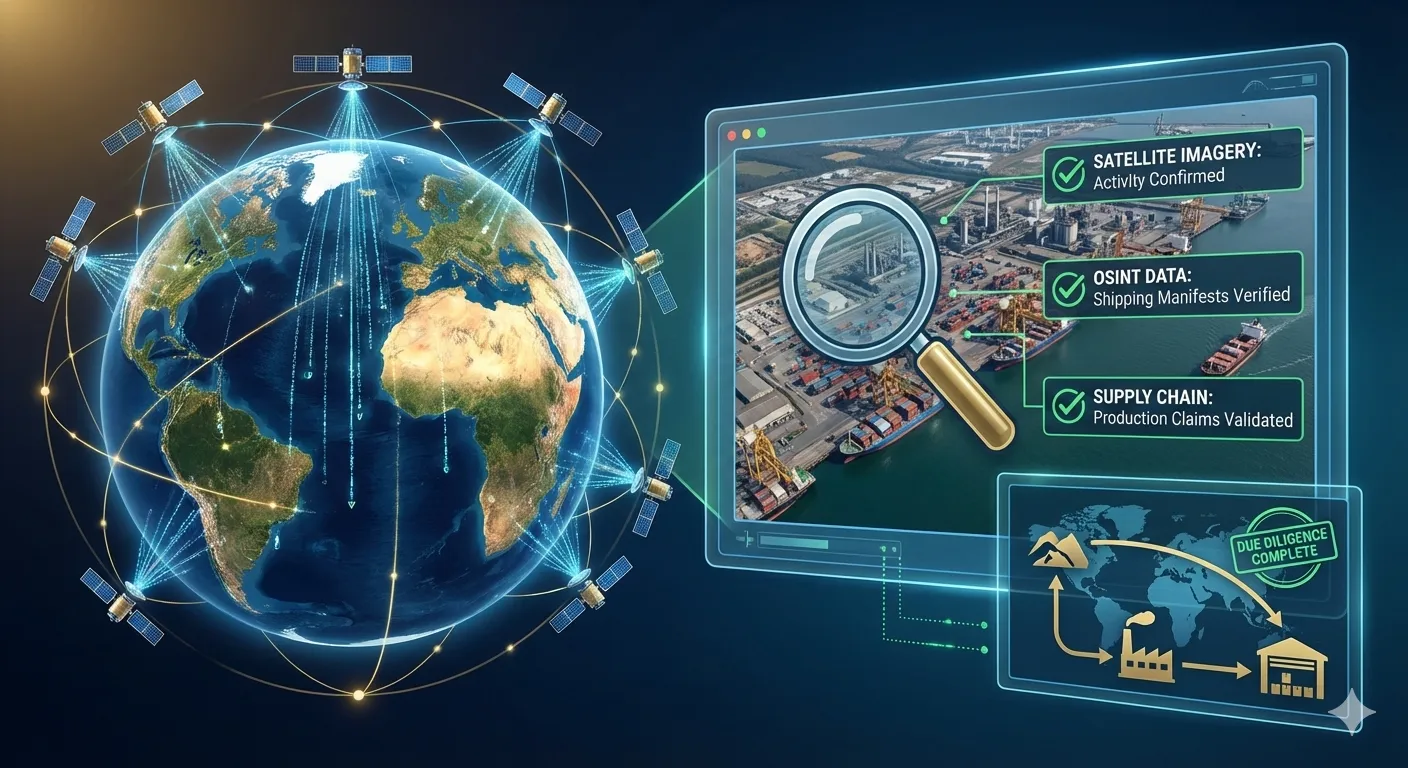
Satellite Intelligence for Commercial Due Diligence
The emerging role of earth observation in verifying industrial activity.
Read Article →
June 2025 • 7 min read
By Spencer John, Chief Executive Officer
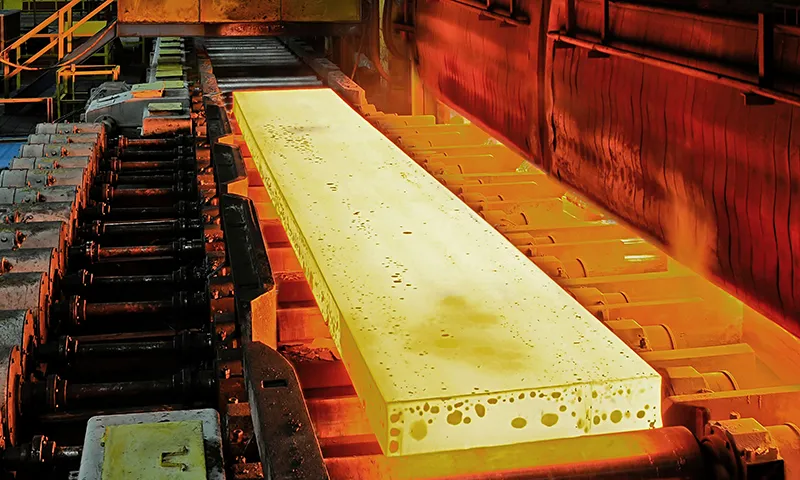
An examination of production claims, emissions data, and the gap between stated and actual capacity in global steel markets. Implications for buyers and investors.
Steel is among the most traded commodities globally, underpinning construction, manufacturing, and infrastructure development across every economy. Yet Ethos Chain has observed that steel markets suffer from a persistent verification problem. Claims about production volumes, capacity utilisation, product quality, and increasingly about environmental credentials, are difficult to verify independently.
This verification challenge matters because consequential decisions are made based on these claims. Buyers select suppliers based on stated capabilities. Investors value companies based on reported production. Policymakers design trade measures based on aggregate capacity figures. And increasingly, procurement decisions are influenced by sustainability claims that may or may not reflect reality.
The gap between stated and actual figures is, in some cases, substantial enough to distort markets, mislead stakeholders, and undermine policy objectives.
Global steel capacity has expanded dramatically over recent decades, particularly in China and other emerging markets. Official figures suggest that global steelmaking capacity now substantially exceeds global demand, creating chronic overcapacity that distorts trade flows and pricing.
Stated capacity figures often differ significantly from operational reality. Some facilities counted in capacity statistics are technically capable of production but are economically unviable at prevailing prices. Others have been partially decommissioned or converted but remain on official registers. Still others exist primarily on paper, having never achieved claimed production levels.
Conversely, some production may occur at facilities that are not fully captured in official statistics: informal or unregistered operations that nonetheless contribute to supply. The net effect is that aggregate figures may simultaneously overstate genuine capacity while understating certain categories of actual production.
As decarbonisation becomes a commercial as well as regulatory imperative, claims about "green steel" or low-carbon production have proliferated. Steel produced with reduced emissions commands premium pricing, preferential access to certain markets, and reputational benefits. This creates obvious incentives for producers to emphasise their environmental credentials.
Yet verifying emissions claims presents substantial challenges. Unlike a physical product attribute that can be tested, emissions depend on production processes that occur far from the buyer. Self-reported emissions data may reflect measurement methodologies that differ across producers, assumptions that favour lower figures, or simply inaccurate accounting.
The EU's Carbon Border Adjustment Mechanism (CBAM), which imposes costs on carbon-intensive imports, has intensified attention to embodied emissions in steel. Buyers and importers now have direct financial exposure to the accuracy of emissions claims. But the verification infrastructure remains underdeveloped, creating risk for organisations that cannot independently validate supplier assertions.
Verification practices show a counter-intuitive pattern: organisations that invest most heavily in supplier verification may paradoxically have less accurate pictures than those that invest less.
This paradox emerges because extensive verification programs often rely on the same supplier-provided data, simply reviewed more thoroughly. A detailed audit of a steel supplier's emissions documentation verifies that the documentation is internally consistent and properly maintained. It does not necessarily verify that the underlying emissions figures are accurate.
Organisations that have invested significantly in verification may feel false confidence in their understanding. They have done their due diligence; they have reviewed the documentation; they have satisfied their compliance requirements. Yet the fundamental uncertainty about whether claims match reality may be unaffected.
Breaking this paradox requires moving beyond document-based verification to independent corroboration. This might include satellite observation of production facilities, independent measurement of emissions at or near production sites, or analysis of energy inputs and process data that would be difficult to falsify. Such approaches are more expensive and more intrusive, but they provide verification in the true sense rather than validation of claims.
For steel buyers, the verification challenge creates both risks and opportunities. The risks are obvious: sourcing from suppliers whose claims do not match reality can result in regulatory exposure, reputational damage, and commercial loss if premium prices paid for green steel prove to have been paid for conventional product.
The opportunities are more subtle. Buyers who develop genuine verification capabilities can identify suppliers whose claims are credible, potentially securing access to scarce verified low-carbon supply before competitors. They can avoid the risk of association with suppliers whose claims later prove false. And they can potentially extract more favourable terms from suppliers who recognise that their claims are being scrutinised in earnest.
For investors in steel producers or steel-intensive industries, verification challenges create valuation risk. Companies may be valued based on production capacities, market positions, or sustainability credentials that do not reflect reality. The emergence of more rigorous verification, whether through regulatory requirements, commercial pressure, or technological capability, could expose discrepancies that affect valuations.
Ethos Chain recommends that investors incorporate verification risk into their due diligence, particularly for assets where production claims or environmental credentials are material to valuation. Independent assessment of stated figures, using methodologies that go beyond document review, can identify assets where stated and actual figures diverge significantly.
The steel industry's verification problem will not be solved quickly, though several developments may improve the situation over time. The EU's CBAM creates financial incentives for accurate emissions reporting that did not previously exist. Advances in satellite observation and other remote sensing technologies make independent verification of facility activity increasingly feasible. Growing buyer and investor attention to verification may shift commercial incentives toward greater accuracy.
In the meantime, organisations dependent on steel supply or invested in steel production should recognise that stated figures may not match reality, and should invest accordingly in verification capabilities that can distinguish credible claims from questionable ones.
For more information on how Ethos Chain can support your organisation's market intelligence and verification requirements, please get in touch.
The emerging role of earth observation in verifying industrial activity.
Read Article →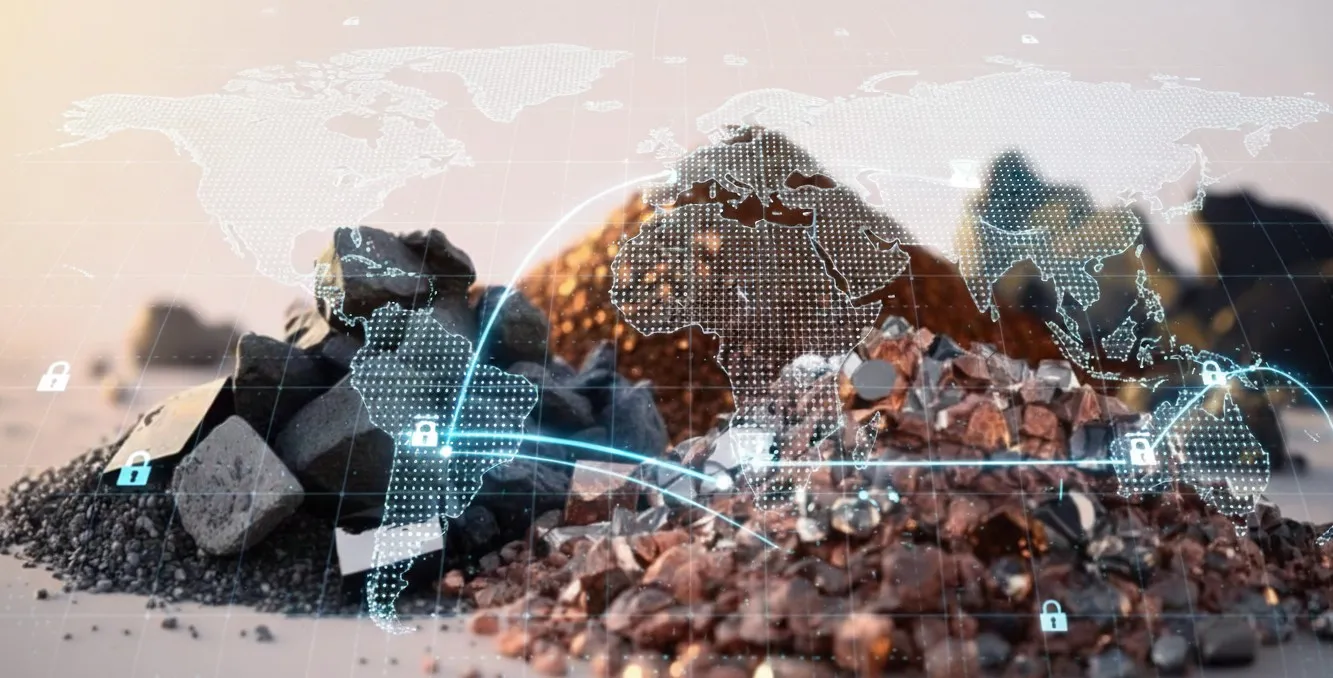
The strategic implications of concentrated mineral supply chains.
Read Article →
How advanced analytics and intelligence are transforming supply chain verification.
Read Article →